
The Power of Possibility – Jason Cordell
Hello, my name is Jason Cordell. I’m from Chattanooga, Tennessee. Today, I’m in recovery. I’m…
July 9, 2026
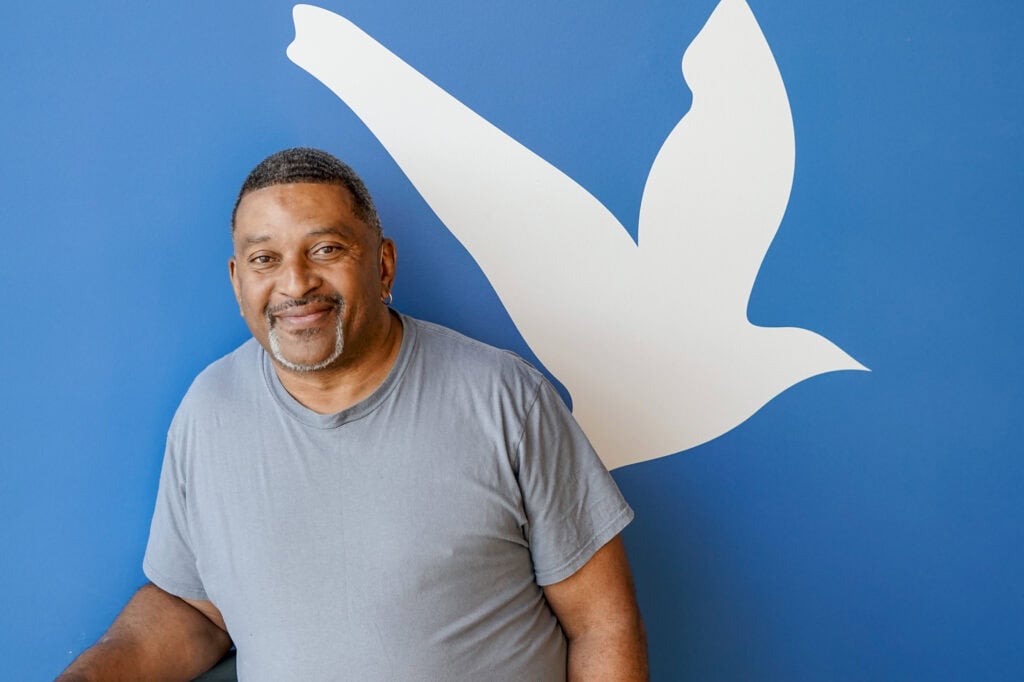
“It all started with someone being willing to give me a chance.”
That’s how Marcus tells the story of rebuilding his life.
After spending five years in prison, Marcus walked through the doors of Dismas House with everything he owned and just $50 in his pocket.
He wasn’t looking for an easy life. He was looking for one opportunity to build an honest one.
Marcus was born in Jackson, Tennessee, and his childhood was marked by loss. Raised by his grandparents after being separated from his family, he knew little about his mother before she was tragically killed at just 28 years old. Years later, he reunited with his brother and sister, but each had grown up carrying a different version of their family’s story.
Drugs entered Marcus’ life in high school and grew into a serious addiction during college.
“I did whatever it took to get drugs,” he says. “I’d steal from work, not pay my bills, ignore my responsibilities. That’s what led me to jail at 21.”
The decades that followed became a cycle of addiction, recovery, relapse, and incarceration. Marcus eventually moved from Jackson to Knoxville.
He experienced periods of sobriety, including six years after moving to Knoxville, but grief over losing both grandparents pulled him back into addiction. Again and again, he found himself trying to escape the life he no longer wanted.
Everything changed during Marcus’ most recent incarceration.
“I thought I was old. I thought I’d probably die in prison,” he says. “So I decided I was going to do the best with what I had.”
After spending years in jail before entering prison, Marcus struggled with depression.
“I looked at my age and the time I was facing.”
To protect his mental health, he committed himself to therapy and stayed busy. Then he enrolled in college.
“It gave me a breath of fresh air, a second wind.”
He joined Therapeutic Community Programs (TCOM), immersed himself in faith communities, and surrounded himself with people committed to growth.
“I decided if I did what was right, the right things would happen,” he says. “And they did.”
When Marcus became eligible for parole, the residential reentry program he planned to enter fell through just before his hearing.
Then came a referral to Dismas House.
Within a week, he had been accepted. The following week, he walked out of prison.
“I didn’t know what to expect,” he says. “But everything I needed at the time was right here.”
Dismas House provided housing, transportation, accountability, and support. Just as importantly, it challenged Marcus to imagine a future beyond surviving.
“I didn’t realize how important setting goals was until I came to Dismas House. Those goals kept me in line.”
The therapy he received also became an important part of his healing.
“I think everybody could have better mental health,” Marcus says. “Everybody can use therapy. It can’t hurt.”
One goal at a time, Marcus began building the life he once thought was out of reach.
He attended every job fair available and through a Dismas House connection via a fellow resident, he landed a job that he really enjoys at Hattie B’s.
He continued pursuing the college education that had given him hope while incarcerated and is now enrolled at Nashville State through a Dismas House partnership.
He also accomplished something he once believed was nearly impossible. After 30 years, Marcus earned his driver’s license. He celebrated by buying a car with money he had saved from work.
Most recently, he graduated from the Dismas House program. “It was quite an accomplishment,” Marcus recalls.
“To come from prison to reentry back into society, it was really smooth for me,” he says. “I had housing, food, transportation… Dismas House helped with all of that. They are my lifeline.”
“The only goal left is finishing school,” he says with a smile. Marcus is set to graduate from Nashville State this December.
At 58, Marcus says the physical demands of work aren’t always easy.
“I have to work twice as hard to keep up with the young ones,” he laughs. “But they keep asking me to come back, so I know I’m doing something right.”
“Hot chicken is a thing in Nashville,” Marcus says. “People get so excited at Hattie B’s when they’re in line to pay for their meal.” As a result of those good experiences, he has never left his job in a bad mood.
“The biggest thing I learned [while at Dismas House],” he says, “was don’t ever let anybody tell you that you don’t deserve to have a good life like everybody else. Never let anyone tell you that.”
That belief has become the foundation of his new life.
Today, Marcus takes pride in responsibilities many people hardly notice. He now pays a car payment, insurance, and gas. Those responsibilities represent something bigger than bills.
“I feel like a normal person,” he says. “Everybody does this, so why shouldn’t I?”
Marcus often thinks about how different his life might have been.
“If I wasn’t at Dismas House, I don’t think I’d be where I am now,” he says. “If I had gone back to Knoxville, it wouldn’t have happened.”
One of the most meaningful moments of his journey came during his parole hearing, when he reunited with his brother and sister. Step by step, they addressed every turn in his life, right and wrong. By the end, they were all moved to tears.
“It was like a heavy load was lifted off all our shoulders,” he remembers.
Today, Marcus is focused on what’s ahead: graduating from college, completing parole, and continuing to build the life he once believed was impossible.
When asked what he would tell someone entering Dismas House, his answer comes quickly.
“Follow the rules. Set goals. If you’re unsure what to do, it’s okay to do nothing until you figure it out. But take advantage of the opportunity.”
To the donors, volunteers, and staff who make those opportunities possible, he offers a simple message.
“Your time and effort are very well spent. What you’re doing here will last someone a lifetime.”
It all started with someone being willing to give Marcus a chance.
That single opportunity became a job, an education, a driver’s license, a home, renewed relationships, and a future he once believed was impossible.
That’s the power of reentry. One chance can become a lifetime of change.
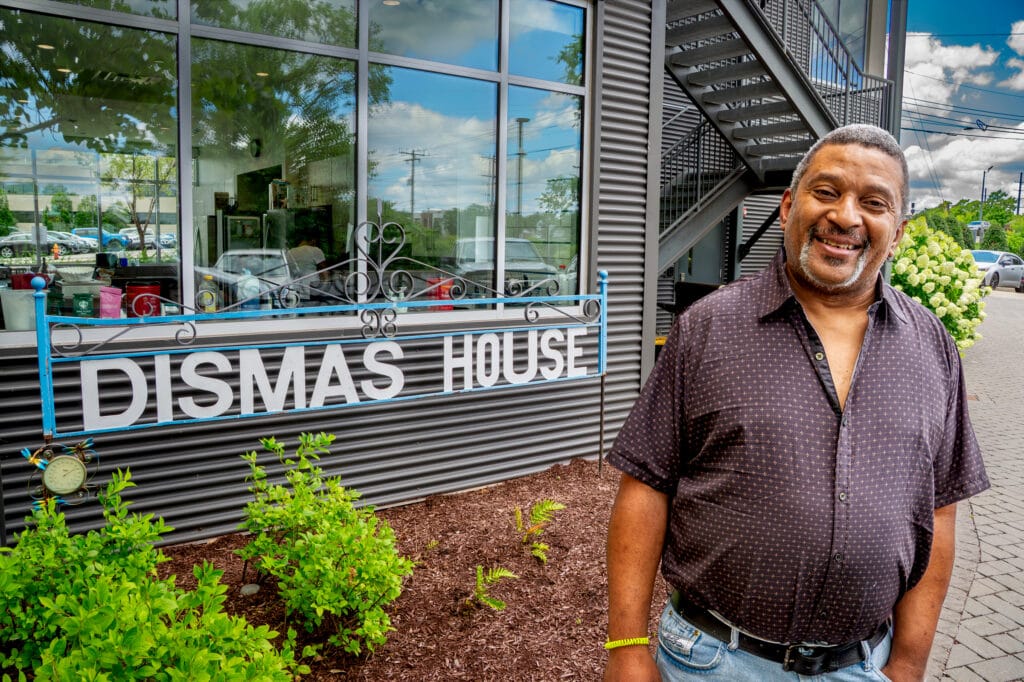
Hello, my name is Jason Cordell. I’m from Chattanooga, Tennessee. Today, I’m in recovery. I’m…
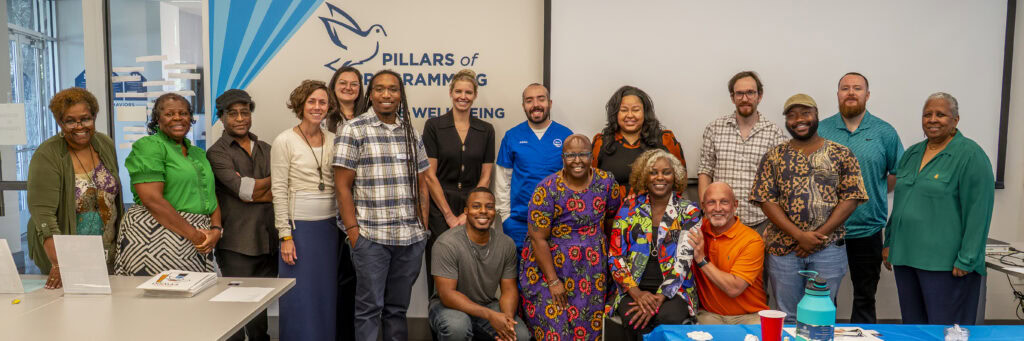
Dismas House recently hosted its Individual Placement and Support (IPS) Steering Committee Meeting, bringing together…
“It all started with someone being willing to give me a chance.” That’s how Marcus…
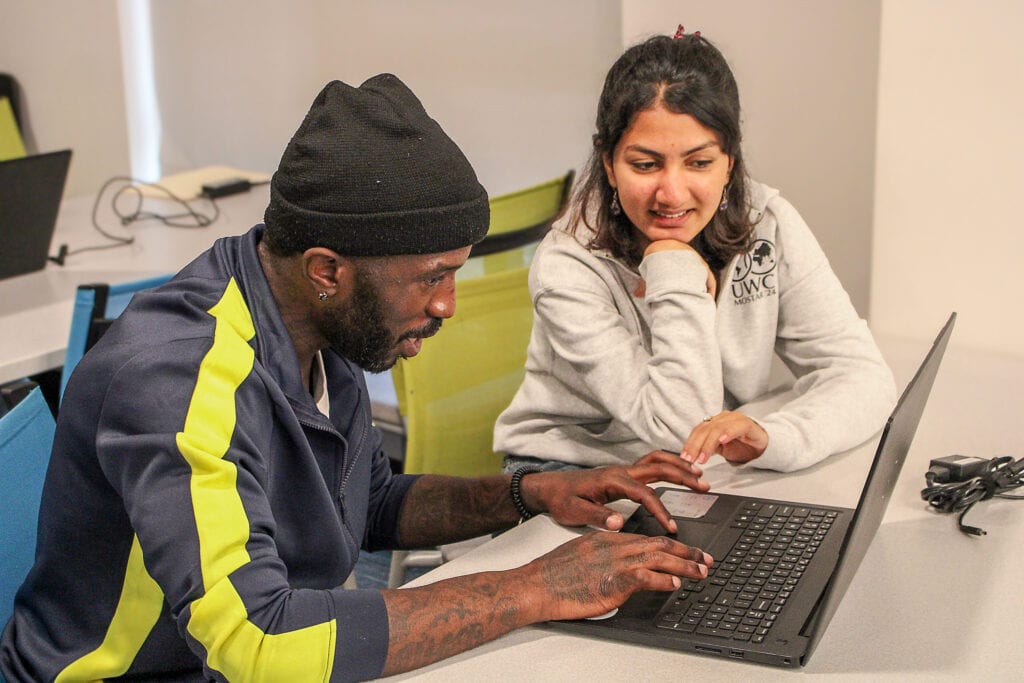
One caring mentor can make all the difference for someone preparing to return home from…

Dismas House recently gathered residents, volunteers, community partners, board members, supporters, and friends for our…
When Richard first walked through the doors of Dismas House, he carried very little with…