The Power of Possibility – Jason Cordell
Hello, my name is Jason Cordell. I’m from Chattanooga, Tennessee. Today, I’m in recovery. I’m…
June 11, 2026
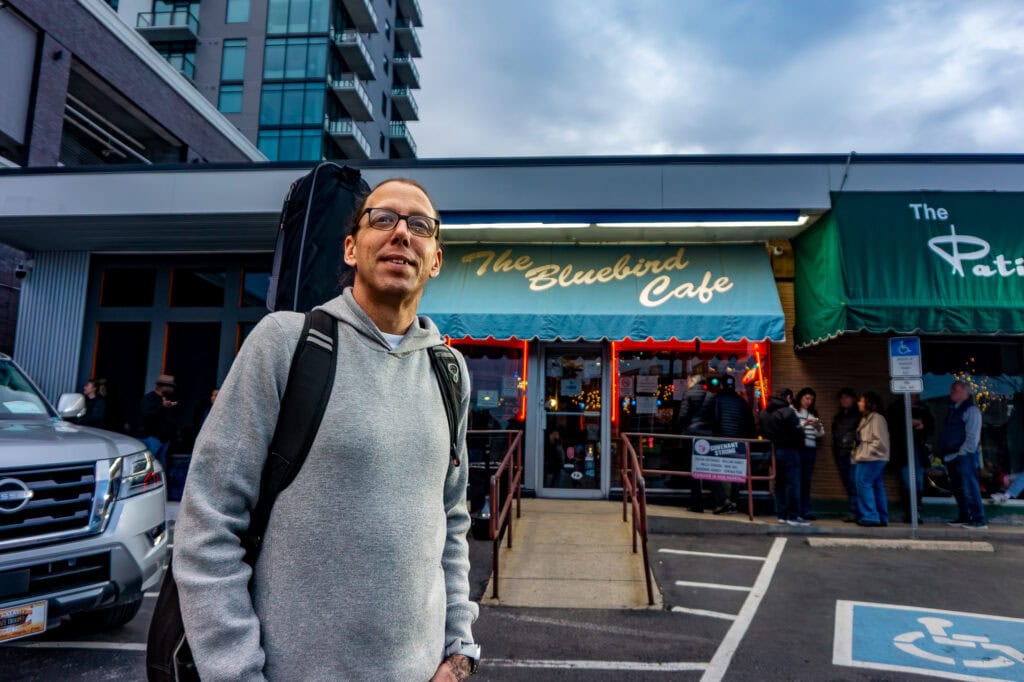
When Richard first walked through the doors of Dismas House, he carried very little with him besides determination, sobriety, and a guitar that had helped save his life.
After serving 10 years in prison, Richard knew reentry would not be easy. But he also knew he wanted something different.
“I was in prison at West Tennessee State Prison,” Richard recalled. “A guy heard me play guitar and said, ‘You should go to Nashville because you’re musically inclined.’ I told him I didn’t know where to go. He said, ‘I went to Dismas House, and my mother and sister were the most proud of me they’d ever been. I’d give anything to go back.’”
Soon after, he connected with Dismas House staff, though at that time, it wasn’t clear when he would be released. “They held a bed for me,” he said. He didn’t even apply to anywhere else. “I knew it was going to work out.”
Like many residents preparing for release, Richard was uncertain about what awaited him on the outside. He had heard stories about places that were unsafe or unwelcoming.
Instead, he found something entirely different.
“I loved it,” he said. “Dismas House lived up to everything you hear about it.”
When Richard arrived, toiletries and new clothes were waiting for him on the bed reserved in his room.
“You can literally come here straight from jail with just the clothes on your back and be all right,” he said. “You’re taken care of. All you gotta do is get here. That’s half the battle. Once you get here, though, it’s like your home.”
For Richard, safety meant more than just a roof overhead.
After surviving a stabbing in prison the year before his release, he deeply valued the stability and security Dismas House provided.
“I had just left a very unsafe place,” he shared. “Dismas House takes to heart that you want to feel safe here. They have zero tolerance for threats of violence. It made me feel very safe.”
He believes that stability is one of the biggest reasons the program works.
“The number one reason people go back to prison is they don’t have a safe, secure place to live and they don’t have a job,” Richard said. “Dismas House provides both.”
Richard describes the Dismas House program as transformative, not because change happens overnight, but because residents are surrounded by opportunities to grow every single day.
“The best thing about the programming is that you’re so busy you don’t have time to focus on anything but your recovery,” he explained. “You’re starting to change before you even know that you’re changing because the program changes you.”
Though Richard entered Dismas House sober and with experience mentoring others in prison, he says the program still challenged and strengthened him.
“You should definitely take advantage of everything,” he said. “I’m no longer required to have therapy, but I still go because it helps me.”
One of his proudest accomplishments was graduating from the program, which was a goal he had written down for himself early on.
“It felt so good,” he said. “It was one of my goals. I took extra classes that weren’t mandatory. I took the anger management class and learned so much more than managing my anger.”
That class, he says, helped reinforce a message he had rarely heard before.
“You deserve what every other man has because you put in the work and you’ve changed for the better.”
Music became a lifeline for Richard long before he came to Dismas House.
During COVID lockdowns in prison, isolation weighed heavily on him. He asked his father to send him a guitar.
“He said he would, but only if I promised to learn,” Richard laughed.
With just a chord book, a radio, and determination, Richard taught himself to play. “Having that guitar got me through a lot of tough times,” he said.
Today, music remains central to his healing and his purpose.
“Music is therapy,” Richard said. “It’s an outlet to focus your energy toward something positive.”
That passion unexpectedly opened doors after arriving at Dismas House.
At a recent event, Richard was invited to speak about his transformative experience at Dismas House. For an added sense of security, he brought his guitar. Surrounded by community leaders and supporters, he felt out of place until one conversation changed everything.
“I introduced myself to one person out of 100 people,” he said. “I had no idea who she was.”
Unbeknownst to him, the one person he approached just happened to be the owner of Nashville’s legendary Bluebird Cafe. She asked about his guitar.
“I told her I wrote music,” Richard said. “She gave me her card and said, ‘Come find me.’ It blew me away.”
Playing at the Bluebird had always been a dream. Just a few weeks later, Richard finally got his chance. After reaching out to thank her, she said she wanted him to come sing. And just like his bed at Dismas House, they reserved the very last spot for him on the following Monday night.
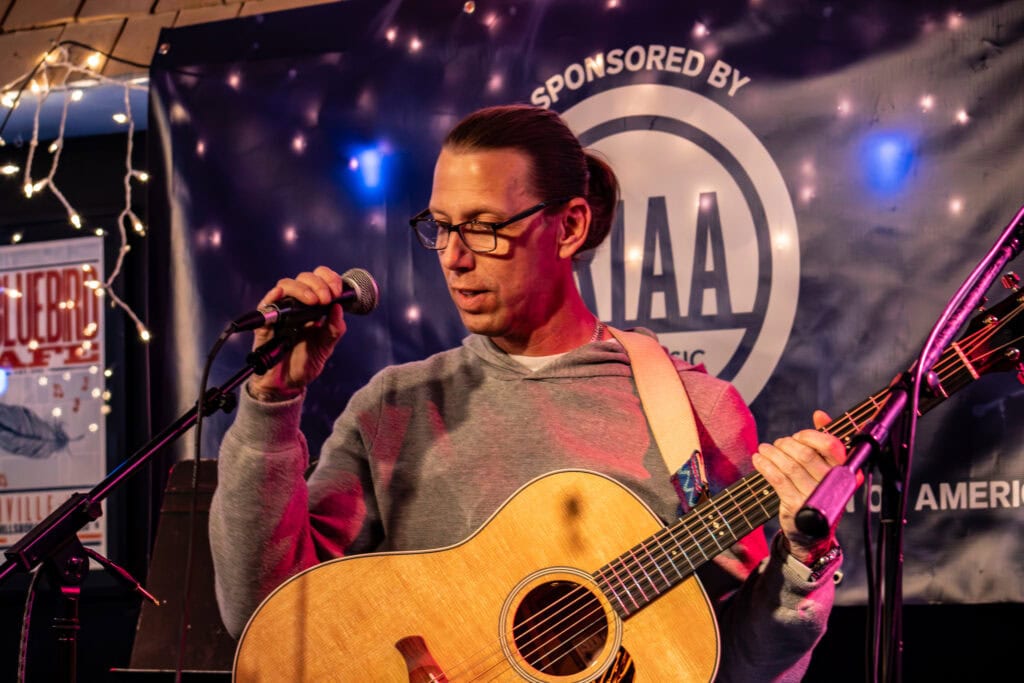
That night, Richard experienced a series of firsts. It was his first time performing at the Bluebird Café and his first time sharing his music with a live audience. Despite his nerves, he stepped onto the stage and delivered an original song, earning warm applause and encouragement from the crowd.
The evening held one more surprise: an unexpected opportunity to perform a second song. Richard returned to the stage with renewed confidence, captivating the room and drawing enthusiastic praise. In that moment, Richard wasn’t defined by his past. He was a songwriter, a performer, and someone discovering that music was more than a hobby. It was a source of purpose, connection, and self-expression.
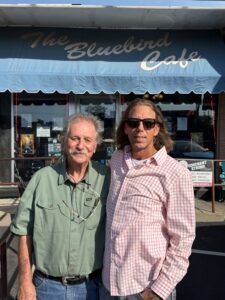
Months after the success of his first performance at the Bluebird Cafe, Richard was invited back. This time, he brought just about every one he knew. Almost 60 people showed up to show their support, including his dad who had given him his first guitar.
Richard remains humble and really grateful for all of the opportunities he’s been given.
“If I hadn’t come here, none of this would’ve happened,” he said.
Since then, Richard has continued pursuing music while working full-time and maintaining his recovery. He shares music and encouragement daily on TikTok and social media, hoping his story can inspire others.
“If I can change, anybody can change,” he said. “Because I was that guy that was trouble, but I’m not anymore.”
Today, Richard works at Russell Landscape alongside several other Dismas House residents.
“I take pride in my work,” he said. “They appreciate me as much as I appreciate them.”
He recently earned his Certified Peer Recovery Specialist (CPRS) certification and hopes to one day work in recovery services himself.
“I care so much about Dismas House,” Richard said. “I would work here in a heartbeat if they gave me the opportunity.”
More than anything, Richard says Dismas House gave him something he had been missing for a very long time. It gave him people who genuinely cared.
“I love that Dismas House loves you back,” he said. “You can tell everybody cares. That’s a big deal when you’re coming from where nobody cares.”
Now over 1,200 days sober, Richard continues to move forward one day at a time. He works, writes songs, encourages others, and builds a life he once thought might not be possible.
“If I could say anything about Dismas House,” he said, “it’s that it’s an opportunity for men like myself to have a second chance when you may have felt there wasn’t one. But it only works if you work it, and you gotta want it.”
Hello, my name is Jason Cordell. I’m from Chattanooga, Tennessee. Today, I’m in recovery. I’m…
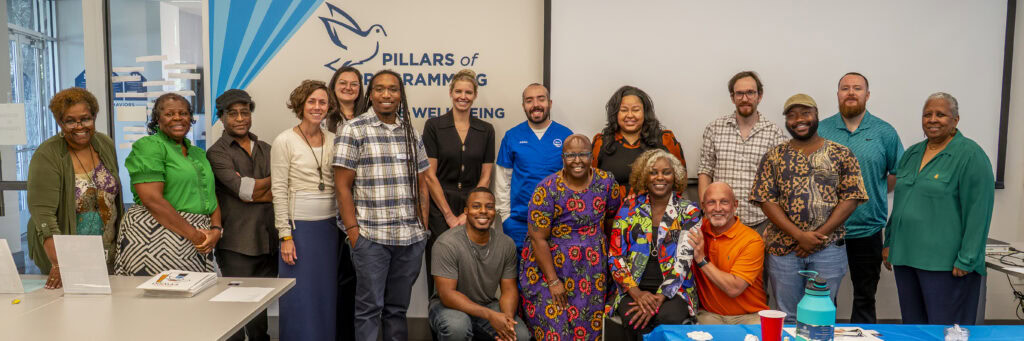
Dismas House recently hosted its Individual Placement and Support (IPS) Steering Committee Meeting, bringing together…
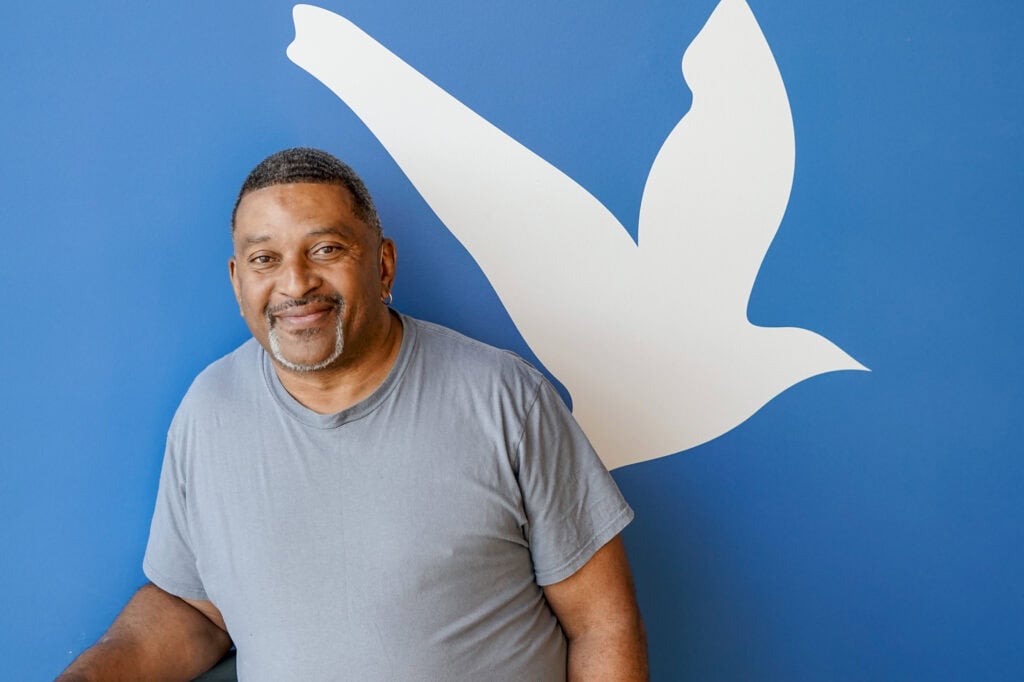
“It all started with someone being willing to give me a chance.” That’s how Marcus…
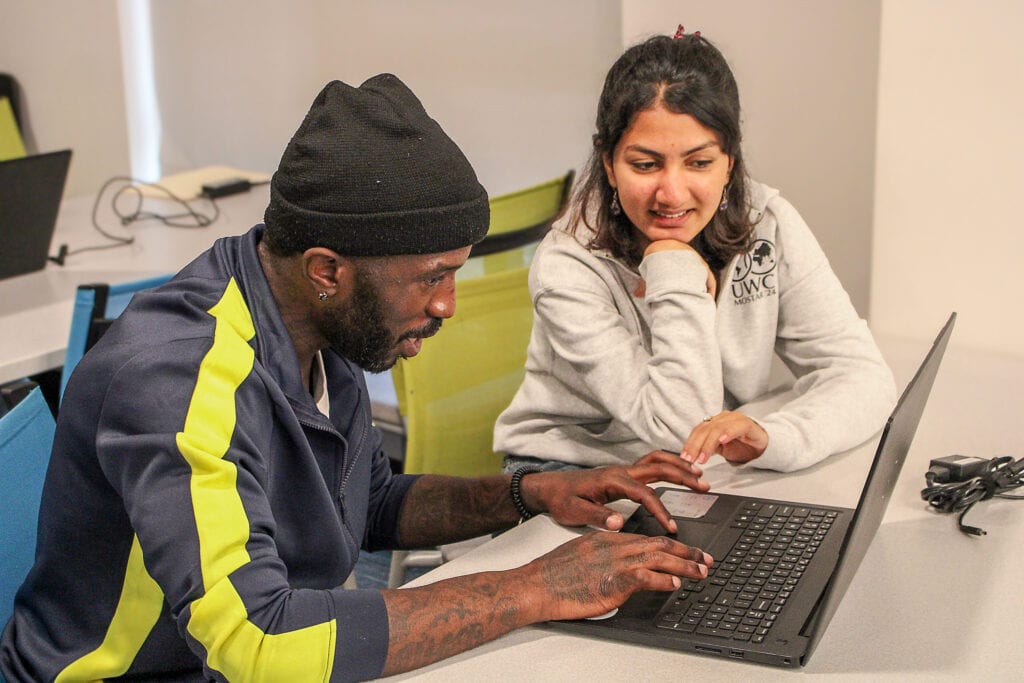
One caring mentor can make all the difference for someone preparing to return home from…

Dismas House recently gathered residents, volunteers, community partners, board members, supporters, and friends for our…
When Richard first walked through the doors of Dismas House, he carried very little with…