
The Power of Possibility – Jason Cordell
Hello, my name is Jason Cordell. I’m from Chattanooga, Tennessee. Today, I’m in recovery. I’m…
April 9, 2026
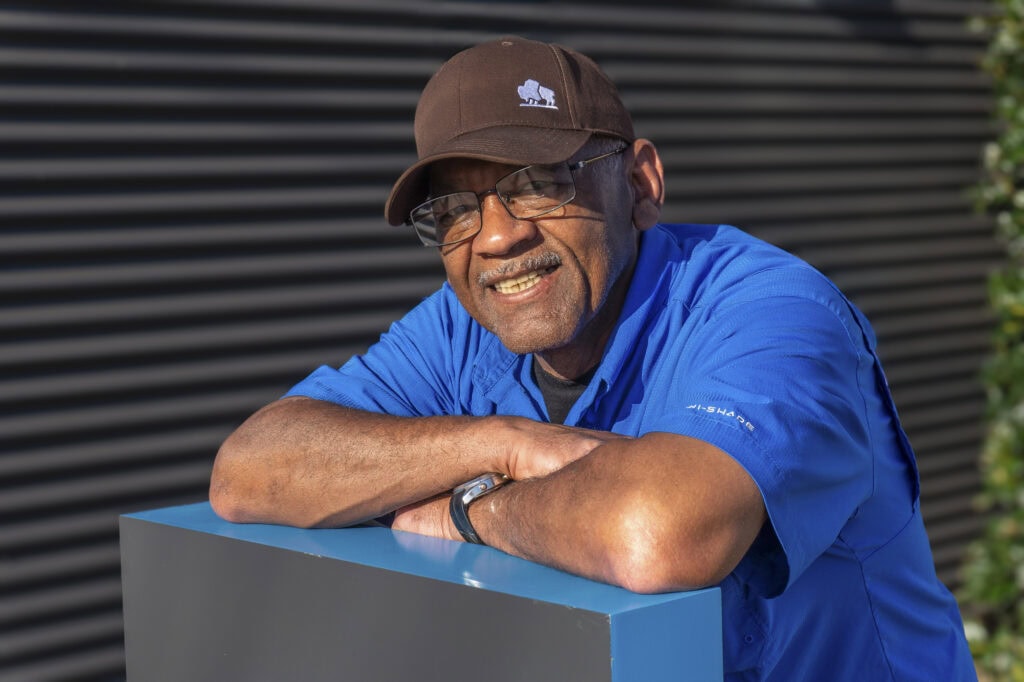
Most people notice Thaddeus’s smile before anything else.
It’s steady and warm, offered freely whether he’s welcoming guests at work or greeting the men and staff at Dismas House. He believes in eye contact. In saying “good morning.” In asking someone how they’re doing and waiting to hear the answer. Thaddeus stands out by always being positive.
It wasn’t always that way.
“Ever since I was a kid, I’ve been in and out of prison,” he says. “I’ve been searching. Searching for just who I am.”
The search began under the weight of words no child should hear. His grandmother once told him he was an accident. A mistake. Those words shaped how he saw himself. He grew up shy, withdrawing from people. He believed they couldn’t understand his hurt and didn’t know how to explain it.
Prison became a revolving door for much of his early life. Yet even there, seeds of hope were planted. During a 12-year stretch of a 28-year sentence, he found himself singing in church and joined softball and volleyball teams. For moments at a time, he felt human again.
When he was released, he stayed out for 12 years. He worked, rebuilt his life, and drove an 18-wheeler from 2016 to 2019, crisscrossing the country and finding freedom in the open road. Driving felt natural, like it was always meant to be part of his life.
“The first day I drove with my trainer,” he recalls, smiling, “he said, ‘You’ve done this before.’”
In a way, he had. As a boy, he spent summers riding with his grandfather, who taught him how to shift gears long before he ever held a commercial license.
But life shifted again. He lost his job. Without steady income, housing fell away. Homelessness became a reality.
“There are still things out there that will trip you up,” he says quietly. Temptations. Old patterns. Moments of weakness.
You would not guess today that he was once shy. This change is recent.
“Dismas House has taught me how to open up more,” Thaddeus says. “To stop being so shy, talk to people, deal with past situations, and move on.”
He calls the opportunity to come to Dismas House life saving. When he arrived, staff met Thaddeus with reassurance. “It is okay.” The focus was not on his past. It was on what came next.
At Dismas House, that next step is structured. Residents commit to accountability, daily routines, and community living while they rebuild stability. They work to secure employment, save money, and develop habits that support long term independence. Just as important, they are given time. Time to steady themselves, practice new patterns, and be known beyond their record.
“Life is worth living,” he says firmly. “If you use the tools Dismas House provides, it can change everything. But you have to decide you are ready to move forward and be part of something better.”
That decision to move forward shows up in his daily life, especially at work.
Today, Thaddeus works at a local convenience store. Though he had never done this kind of work before, he started in a customer-facing role as host. Now he loves it, and it shows. His consistency and attitude have already led to extended shifts, and he is now helping train new employees.
“Most people pass by others every day and never say good morning,” he says. “Pay somebody one compliment and you can just see them light up.”
For Thaddeus, brightening someone’s day is more than customer service. It is purpose.
One afternoon, he noticed a man slipping two beers into his coat. Instead of calling authorities, Thaddeus asked gently, “What are you doing?”
The man replied, “It is hard out there.”
Thaddeus understood. He told the man he had been homeless and had just gotten out of jail himself. There was no judgment. The man put the beer back and said, “Thank you, man.”
Thaddeus gave him a few dollars before he left.
“Dismas House taught me how to have that kind of concern for others,” he says. “Because Dismas House has that kind of concern for me.”
That same spirit carries into the house. Recently, he cooked salmon croquettes and shared them with staff. Now he and another resident are talking about organizing a potluck.
“The guys here are learning how to share,” he says. “They are getting to that point.”
Thaddeus has been at Dismas House for three months. He is halfway through an important season of rebuilding. He can already see real change in himself. He has steady work, growing confidence, and a willingness to connect.
In the next three months, he expects “amazing things.”
He may return to driving. He may continue growing where he is.
“Right now I am trying to find that niche,” he says. “And if it is staying there being a host, I am okay with that.”
What he knows for certain is simple. He cannot change the past, but he can shape what comes next.
“Dismas House is something that was created for men really trying to put their life back together. It is something that God sent,” he says. “The staff does not even realize how much they have touched people. They do not realize how much they have saved lives.”
To the volunteers and partners, his message is clear. “Your gifts are not being wasted. They are truly changing lives. Dismas House is restoring dignity. They are saving lives.”
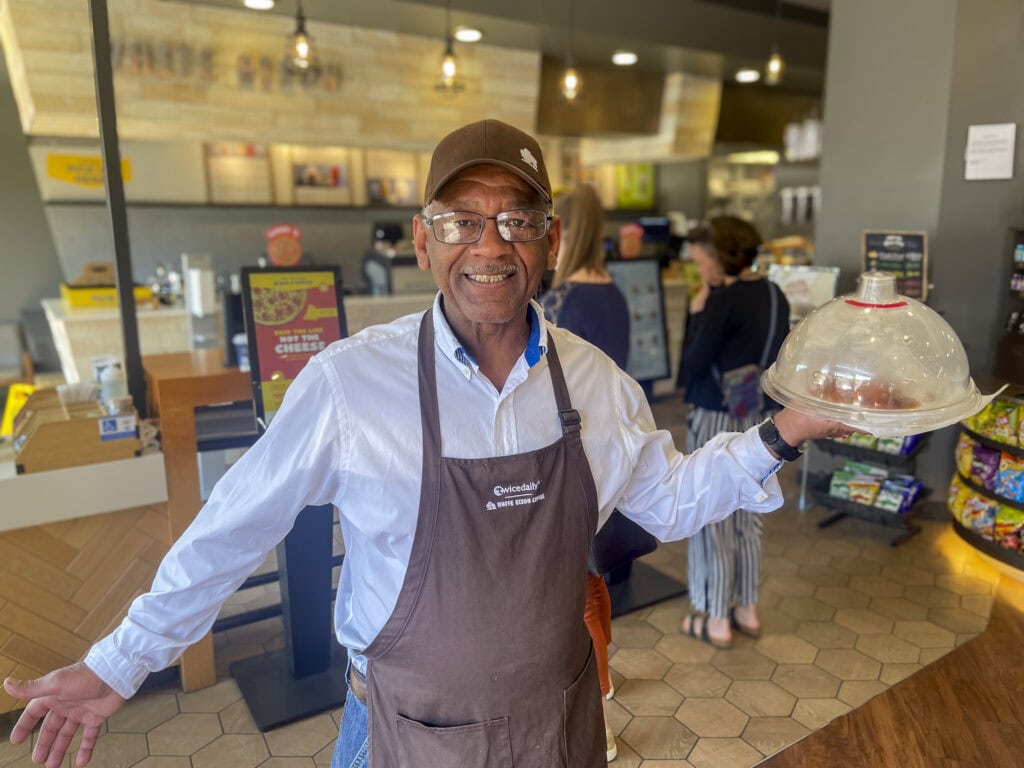
And to new residents walking through the doors with uncertainty in their eyes, he offers the same warmth that defines him now.
“Accept the gift that is being placed before you.”
Because today, that smile people notice first is not just kindness. It is evidence. Quiet and steady proof of a life being rebuilt, one genuine connection at a time.
Hello, my name is Jason Cordell. I’m from Chattanooga, Tennessee. Today, I’m in recovery. I’m…
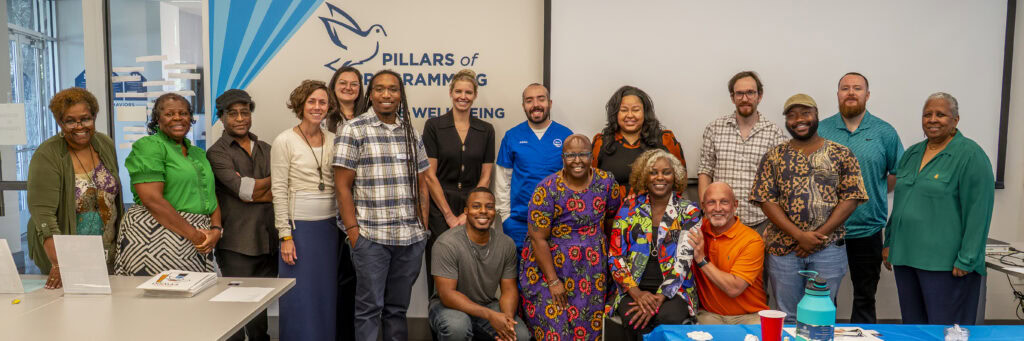
Dismas House recently hosted its Individual Placement and Support (IPS) Steering Committee Meeting, bringing together…
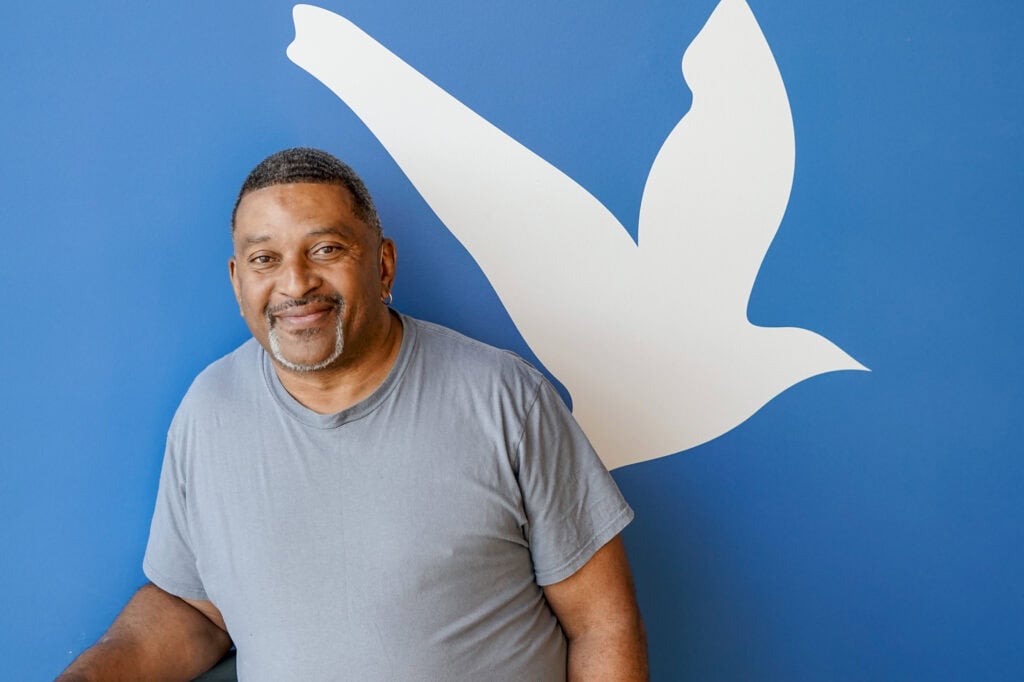
“It all started with someone being willing to give me a chance.” That’s how Marcus…
One caring mentor can make all the difference for someone preparing to return home from…

Dismas House recently gathered residents, volunteers, community partners, board members, supporters, and friends for our…
When Richard first walked through the doors of Dismas House, he carried very little with…